
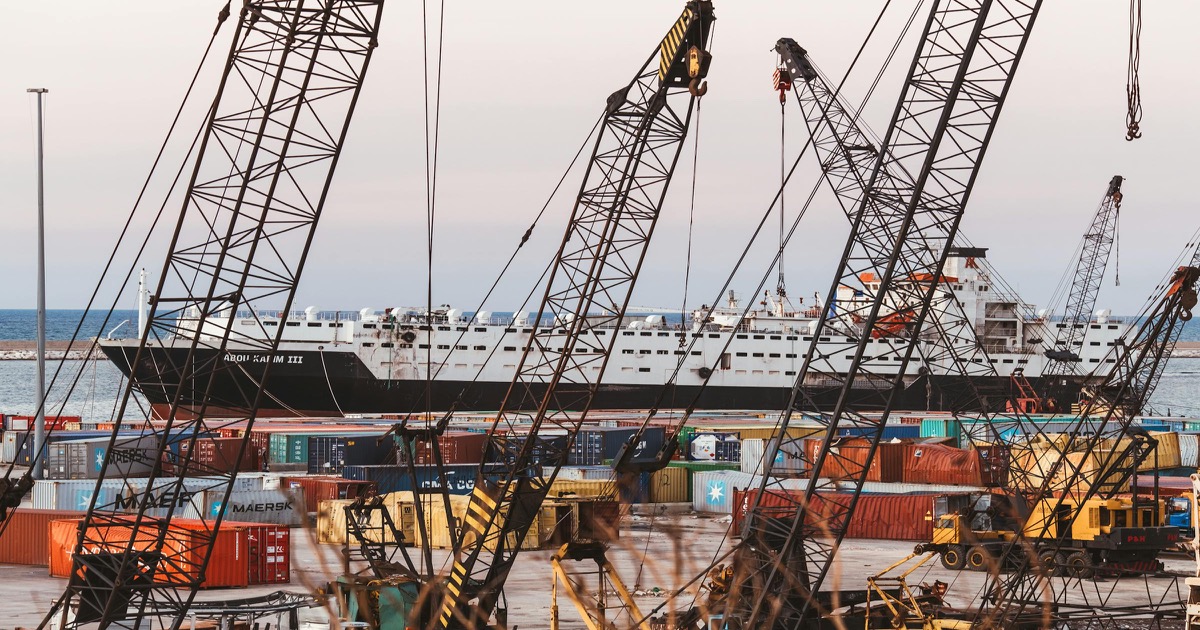
It's 4 PM on a Friday. Your client's container was supposed to be released from the port this morning. Now, it's flagged for a customs hold. Demurrage charges are starting to pile up, the trucking appointment is missed, and your client is on the phone demanding answers you don't have. Every minute of delay costs money and erodes trust.
Navigating customs means speaking the language. These are the non-negotiable filings you must master.
Key Terms and Concepts
Demurrage: Fees charged by the ocean carrier for using their container within the terminal beyond the allotted free time. This happens when customs clearance is delayed.
Processing Time
For a well-prepared shipment with no red flags, customs release can happen within 24-48 hours of arrival. However, if a shipment is flagged for a hold, the process can take anywhere from a few extra days to several weeks.
Technology as a Competitive Advantage
The entire customs clearance process hinges on the timely and accurate flow of information. Relying on spreadsheets and email is a high-risk strategy. A modern cloud freight forwarding platform transforms this risk into a competitive advantage.
Once duties are paid, that cost needs to be passed to the client accurately and quickly. A freight management software SaaS with integrated accounting automatically adds customs-related fees to the client invoice. This eliminates revenue leakage, improves billing accuracy, and shortens your cash conversion cycle.
Frequently Asked Questions
What's the difference between a customs broker and a freight forwarder?
A customs broker specializes in customs clearance documentation and compliance. A freight forwarder manages the entire shipping process.
How can I check the status of my shipment in customs?
Through CBP's ACE portal or via your freight management system's tracking capabilities.
What are the most common reasons for a customs hold?
Incomplete documentation, incorrect HS codes, random inspections, and flagged shipments.
Do I always need a customs bond?
Yes, for commercial imports valued over $2,500.
When your technology handles the routine work, your team can focus on managing exceptions and delivering superior service—turning customs clearance from a liability into a source of competitive strength.