Flexport's New AI Doesn't Talk to Customers. That's Exactly the Point.

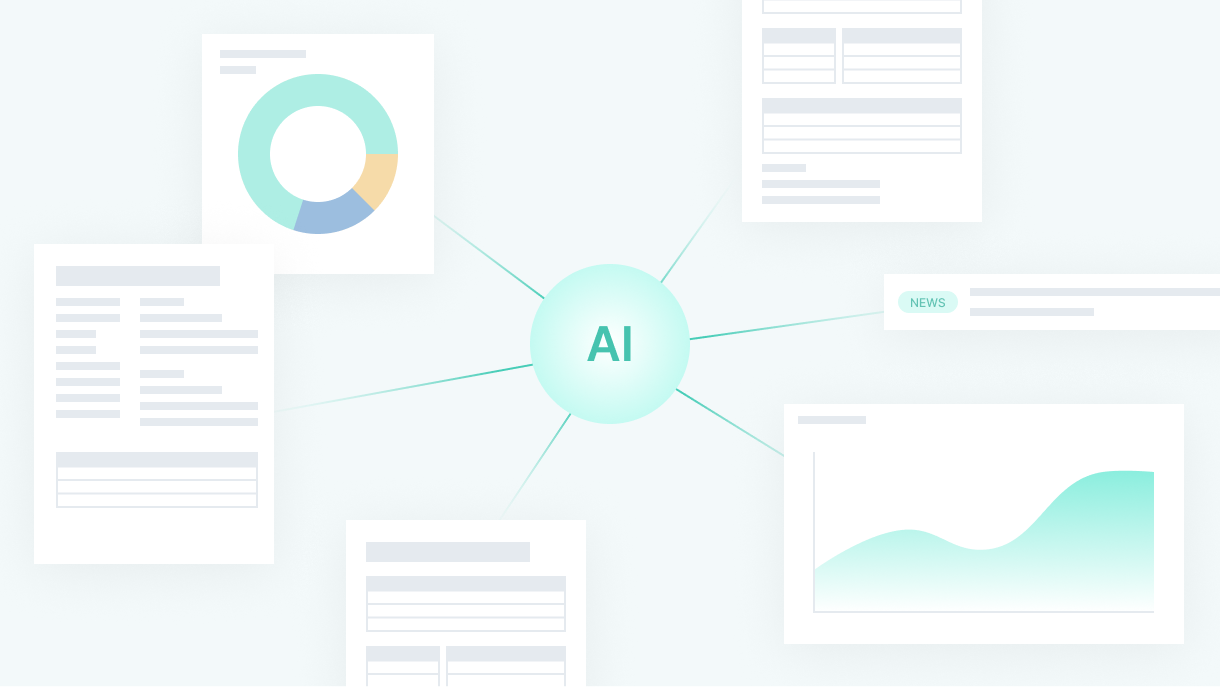
Last week's most interesting AI freight announcement saw Flexport build an AI agent to handle ocean freight market pricing. It ingests procurement rates, booking trends, blank sailing schedules, and market news, then forecasts where a trade lane's price is heading in minutes instead of the two days Flexport says it used to take a pricing team to pull together by hand.
There's a lesson in that for every independent forwarder, and it has nothing to do with the technology itself. The AI that operators actually ship isn't customer-facing. It doesn't answer the phone. It doesn't chat with a shipper. It sits inside the pricing and quoting workflow, doing the unglamorous work of pulling together data that used to take a person two days to reconcile by hand. Flexport isn't the outlier, either. Kuehne+Nagel just told investors it expects AI to contribute as much as $184 million to profit by the end of 2027, and C.H. Robinson says its AI investments are already paying for themselves. None of it is chatbots.
That's the whole thesis behind how GoFreight thinks about AI: it should touch your rate sheets and your B/Ls, not your customers. It's also where we're putting our own next round of work — rates and quoting are the part of the job forwarders complain about most, and the part AI has touched least inside their own operations. The forwarders we talk to say some version of the same thing. They want AI on document ingestion, on quoting drudgery, on the data entry and reconciliation that eats an operator's morning before they've said a word to a customer. They don't want it near the relationship: the phone call, the judgment call on a difficult shipment, the reason a customer picked them in the first place.
Ocean market pricing fits that pattern well. It's high volume, fast moving, and pulled from a dozen scattered sources, exactly the kind of work where speed and consistency beat a human touch. A shipper's relationship with their forwarder doesn't hinge on whether the pricing desk spent two days agonizing over a trade lane forecast instead of ten minutes. What they want is a competitive, reliable number back fast enough to plan around. Flexport says the agent's forecasts came within 1% of its expert team's in shadow testing. Same answer, ten minutes instead of two days — and it now powers all of Flexport’s ocean pricing.
You can apply the same logic in your own systems. Look at wherever your operators are stuck manually pulling information together before they can quote, book, or invoice a file. That's where AI belongs: behind the operator, buying back the hours that used to go into busywork, not in front of the customer. It's what GoFreight's AI does with email and document ingestion, turning messy inputs into a clean file so your team spends its time on the part of the job only a person can do.
Flexport's not going to be the only one doing this. The lesson is available to any independent forwarder willing to point AI at the paperwork instead of the phone call. And if the Flexport story made you look at your own rate sheets, that's the right instinct.