This 12-question self-assessment is built on the FAIR (Freight forwarder AI Readiness) framework. It measures one thing: how close you are to getting your team's hours back — and what it takes to spend them on customers instead of keystrokes.
Why this exists
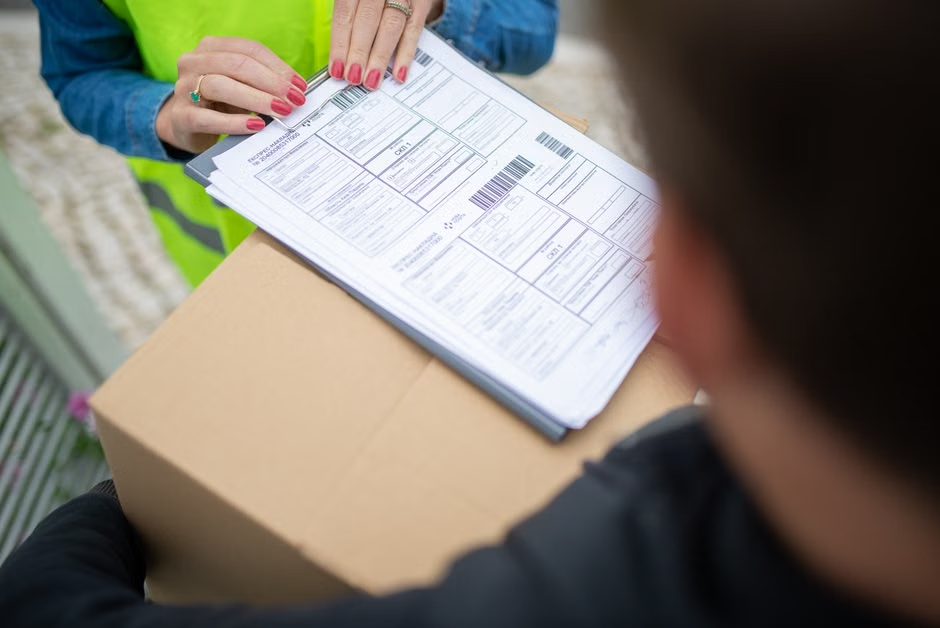
Freight forwarding is more than data entry. Nobody gets into freight forwarding to type. The job is judgment: catching the rolled container before the customer feels it, knowing which carrier to call when a booking falls apart, being the person a shipper trusts with a problem. But watch where an ops team's hours actually go: across forwarders on GoFreight, 73.6% of house bills are still typed by hand (measured over the 30 days to September 23, 2026). Somewhere along the way, forwarding became data entry with a phone number.
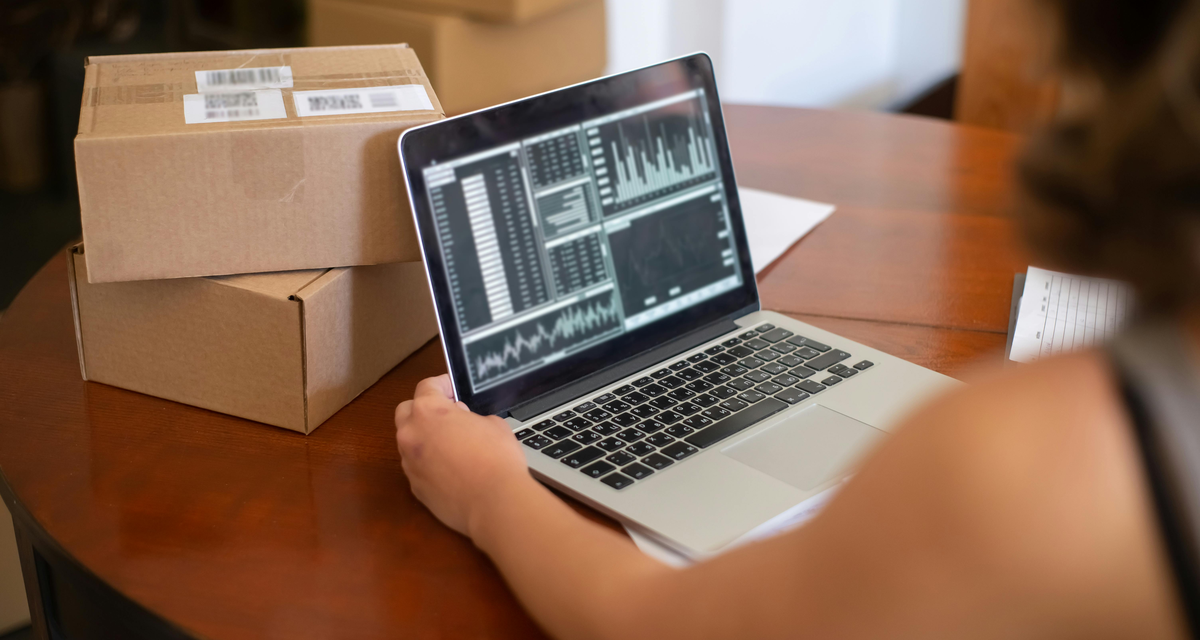
AI's offer is specific: it takes the typing. Whether you get those hours back is less about the tool than most people think. The same AI lands completely differently at two forwarding companies. One folds it into daily work and the hours come back; the other pokes at it for a quarter and goes back to typing. In our experience adopting AI inside GoFreight and deploying it with forwarding teams, the difference is readiness, plus one thing readiness can't supply: a plan for where the recovered hours go.
Readiness itself comes down to conventional change management, in three places you can inspect:
• People — do your people know how to work with AI, and do they trust it the right amount?
• Practices & processes — is your work documented and consistent enough for AI to plug into?
• Systems — can your tools feed data to AI and absorb its output?
That's the FAIR framework: Freight forwarder AI Readiness. The twelve questions below score you on all three pillars.
Nobody is behind alone — manual is still the industry norm. The competitive edge goes to the forwarders who convert first: hours back, spent where customers feel them.
How to score yourself
Each question has four answers, and is worth from 0 to 3 points. For the most accurate picture, pick the one closest to your reality today. Tally each pillar (out of 12) and your total (max 36). Best run twice — owner and ops lead separately, then compare; the gap between your answers is its own finding.
AI doesn't replace judgment; it runs on it. This pillar measures whether your team can supervise AI the way they'd supervise a sharp new hire.
AI plugs into a process the way a new employee does. If the process lives in one veteran's head, neither one can learn it.
An AI can only work with what it can reach. This pillar measures whether your stack can hand AI clean inputs and absorb its outputs.
Tally the three pillars. Then read two things: your total, and your lowest pillar.
Select your current operational reality for all 12 questions to see tailored strategic next moves.
If any single pillar scored 4 or less, treat yourself as one stage lower than your total suggests. Readiness doesn't average. Rather, your weakest pillar caps the other two.
Where the hours go
Back to where this started: the job was never typing. Every stage above is about getting hours back — and the one question the scorecard can't answer is where they land. The forwarders who win with AI redirect them into the work that compounds trust: the heads-up call the customer didn't expect, advising instead of confirming, carrier relationships, face time with the accounts that matter.
Two things leaders have to do deliberately. Plan the reinvestment before the hours arrive. And say out loud that freed time goes to customers, not headcount — a team that suspects layoffs will quietly make sure the tool fails.
AI doesn't replace forwarders. It removes the typing that's been keeping forwarders from being forwarders.
And your score today is a mirror. As the dataset grows, it becomes a benchmark: how forwarders with your profile typically progress — and where they stall.
What's next
In our October session, Head of Engineering Chopin Yen and Solutions Engineer Ron Chow will walk through the FAIR framework and share key insights into the workflows forwarders are fixing first.
The FAIR framework (Freight Forwarder AI Readiness) was developed at GoFreight from our experience adopting AI in our own operations and deploying it with freight forwarding teams — operations of every shape: different ports, commodities, and urgency profiles. No two work alike; readiness is what travels.