Freight Forwarder Vertical Playbook: Software for Perishables + Cold Chain Cargo


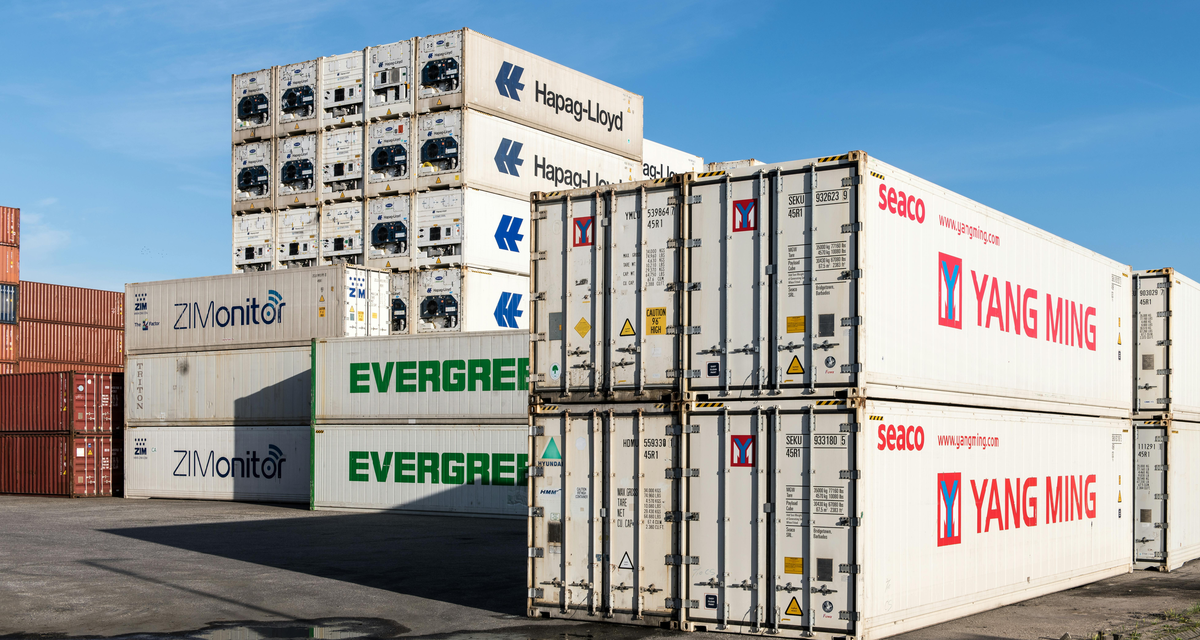
Freight forwarders handling perishables and cold chain cargo need software with reefer set point tracking, cold chain break alerts, USDA and FDA filing integration, and shelf life aware routing that a general ocean or air TMS does not provide. The vertical splits four ways (produce, seafood, floral, pharma), each with its own regulatory stack (USDA APHIS PPQ 587 and PIP inspection for produce; FDA Prior Notice and HACCP for seafood; USMCA rules of origin for floral; FDA GDP and DSCSA for pharma), and the software has to model reefer temperature bands, container plug availability at the discharge terminal, pre trip inspection records, and a cold chain break audit trail that survives an FDA or CBP request three years later. Ocean and air forwarders that treat perishables as a subset of general freight lose margin on the first temperature excursion. The forwarders that win in this vertical run software that treats the reefer container, the PGA filing, and the shelf life clock as first class objects.
Key Takeaways
- Perishables is four sub verticals, not one. Produce, seafood, floral, and pharma each have distinct regulatory stacks, temperature bands, and shelf life clocks. A single "cold chain" workflow does not cover all four cleanly.
- Ten software capabilities separate perishable ready platforms from general TMS. Reefer set point tracking, cold chain break alerts, pre trip inspection (PTI) records, PGA filing integration (FDA Prior Notice, USDA APHIS PPQ 587), HACCP document trail, container plug availability at the discharge terminal, shelf life aware routing, genset tracking, chill versus frozen segregation, and PIP or Perishable Inspection Point integration.
- Regulatory filing is where general TMS fails. FDA Prior Notice must be filed before arrival for every human food or animal feed shipment; USDA APHIS PPQ 587 covers plant products; NOAA Seafood Import Monitoring Program (SIMP) covers 13 priority seafood species. Software either files these or feeds a licensed customs broker.
- Reefer terminal coverage is not uniform. The largest US reefer import gateways are Port Everglades (FL), Wilmington DE, Philadelphia (Packer Ave), Port Hueneme (CA), and Gloucester City NJ. Plug availability and reefer monitoring service quality vary by terminal and by season.
- Cold chain break alerts must fire in minutes, not hours. A 6 hour temperature excursion can reject a 2 million dollar pharma shipment. Software that reports the excursion the next morning is a compliance record, not an intervention tool.
- Pharma cold chain has its own compliance layer. Good Distribution Practice (GDP), Drug Supply Chain Security Act (DSCSA) serialization, chain of custody, and hospital or 3PL cold room handoff records sit on top of the standard reefer workflow. General freight software rarely models any of this.
- Shelf life aware routing is real, not marketing copy. If a container of bananas has 12 days of shelf life at the current pulp temperature and the fastest routing to the ripening facility is 14 days, the routing decision is a rejection decision. Software that models shelf life against transit time catches this at booking, not at discharge.
- GoFreight fit in the vertical. GoFreight integrates from four tracking sources (ocean carriers, railroads, terminals, AIS) and supports ISF, AMS, and AES customs filings via integrated partners, which covers the base workflow. Reefer specific set point telemetry, PTI records, and PGA (USDA APHIS, FDA Prior Notice) filing are not part of the documented capability set, so validate each one directly before shortlisting for a perishable heavy book.
Why Perishables and Cold Chain Is a Distinct Forwarding Vertical
Perishables and cold chain is not a subset of ocean or air freight the way LCL is a subset of ocean or e commerce is a subset of parcel. It is a distinct forwarding vertical because the data model, the regulatory surface, and the risk profile all differ from dry cargo.
The data model differs because every perishable container carries three additional data streams that dry cargo does not: a reefer set point (the temperature the container is programmed to hold), a supply air and return air temperature reading (what the cargo is actually experiencing), and a shelf life clock (how long the cargo remains sellable at that temperature). A general TMS that models a container as a booking, a bill of lading, and a milestone chain does not have fields for any of those three streams.
The regulatory surface differs because perishables cross Partner Government Agency (PGA) boundaries at every US import. Food and food contact articles trigger FDA Prior Notice. Plants and plant products trigger USDA APHIS PPQ 587. Wild caught seafood in 13 priority species triggers NOAA Seafood Import Monitoring Program. Pharma triggers FDA CDER, DEA scheduling for controlled substances, and DSCSA serialization. A general customs entry that files ISF and AMS but does not file the PGA message set is an incomplete entry.
Watch out
A wrong FDA facility registration number on Prior Notice can sit a container on an FDA hold at the terminal for 5 days while the correction runs through CBP ACE, with per diem, reefer plug charges, and shelf life burning the whole time. Validate the FDA registration number against the FDA database before filing and pre file Prior Notice 24 hours before ETA, not on arrival.
The risk profile differs because a temperature excursion is a total loss event, not a fee. A dry container caught in a demurrage window costs the forwarder per diem. A pharma container that spent 6 hours above 8 degrees Celsius is a 2 million dollar rejection at the destination cold room, and the reputational damage runs longer than the invoice.
Watch out
A cold chain break alert that fires the next morning is a compliance record, not an intervention tool. On scombroid seafood (tuna, mahi mahi) a 6 hour warm interval allows histamine formation and is an FDA violation regardless of visible cargo condition. On pharma, a 15 minute excursion above 8 degrees Celsius can be a rejection. Software that reports the excursion after the shift ends has already lost the shipment.
For forwarders that already run mixed general cargo and perishables on the same operational platform, that combination of extra data, extra regulation, and total loss risk is the argument for either dedicated perishables software or a general platform with a perishables module that is deep enough to be trusted with the vertical.
The Four Perishable Sub Verticals: Produce, Seafood, Floral, Pharma
Perishables reads as one word in a sales conversation and as four separate workflows in operations. Each sub vertical has its own regulatory stack, its own temperature bands, and its own shelf life clock. Software that models one sub vertical well does not automatically model the other three.
Produce (bananas, avocados, berries, citrus, stone fruit)
Produce is the highest volume perishable segment and the one most forwarders start with. Bananas move at a pulp temperature between 13.3 and 14.4 degrees Celsius; avocados move at 5.5 to 7.2 degrees Celsius depending on maturity; berries move at 0 to 1 degree Celsius; citrus varies by species and origin. The regulatory stack is USDA APHIS (plant health), FDA Prior Notice (food safety), CBP entry, and in most cases a Perishable Inspection Point (PIP) or USDA designated inspection facility at the port of entry.
USDA APHIS PPQ 587 is the plant protection and quarantine permit that most fresh produce imports require. It names the origin country, the commodity, and the port of entry. The permit has to be on file before the container clears; software that models produce forwarding either files PPQ 587 through the USDA APHIS eFile system or hands the permit metadata to a licensed customs broker who does. The harvest to consumer timeline is where produce forwarders live or die: a Chilean grape harvested 21 days ago and still in ocean transit is a different sale from the same grape harvested 7 days ago.
Seafood (shrimp, salmon, tuna, crab)
Seafood carries a heavier regulatory load than produce and a shorter shelf life for many species. The framework is HACCP (Hazard Analysis Critical Control Point), which requires the importer of record to maintain a written HACCP plan, monitor critical control points, and keep records for at least two years. FDA regulates seafood safety and requires Prior Notice for every food shipment.
The NOAA Seafood Import Monitoring Program (SIMP) covers 13 priority species (including bluefin and bigeye tuna, cod, blue crab, red snapper, sea cucumber, and abalone) and requires chain of custody documentation from the point of harvest through the point of US entry to guard against illegal, unreported, and unregulated (IUU) fishing. A cold chain break on seafood is often a rejection because the temperature abuse allows histamine formation in scombroid species like tuna, which is an FDA violation regardless of visible cargo condition. Software that models seafood needs the HACCP record trail, the SIMP documentation set, and the temperature record that supports the HACCP plan.
Floral (cut flowers, live plants)
Floral cargo is dominated by cut flower imports from Colombia and Ecuador into Miami, then trucked to distribution centers across the US. The container moves at 0.5 to 2 degrees Celsius for most cut flowers, with rose and carnation the highest volume species. The regulatory stack is USDA APHIS (every stem and cutting is inspected at Miami APHIS facilities), USMCA rules of origin for Mexican origin floral, and CBP entry.
The operational trap for floral is ethylene sensitivity. Ethylene is a plant hormone that accelerates ripening, flower senescence, and leaf yellowing. A container of cut roses stored next to a container of bananas at the terminal (bananas are one of the highest ethylene producers) can lose commercial value in a day even if the temperature stayed on set point the entire time. Software that models floral routing has to consider commodity segregation at the terminal, not only the container temperature.
Pharma cold chain (biologics, vaccines, insulin, blood products)
Pharma cold chain is the highest value and the highest compliance perishable segment. Most temperature sensitive drugs move at 2 to 8 degrees Celsius (refrigerated); some biologics move at minus 20 or minus 70 degrees Celsius (frozen and ultra frozen). The regulatory stack is FDA cGMP (current Good Manufacturing Practice), FDA Good Distribution Practice (GDP) guidance for storage and shipping, DSCSA serialization for prescription drugs (unit level or aggregated barcode plus 6 year record retention), and DEA scheduling for controlled substances.
Chain of custody is the pharma specific requirement that separates the vertical from produce or seafood. Every handoff (origin manufacturer to origin warehouse, warehouse to airport, airline to destination airport, destination airport to 3PL cold room, 3PL cold room to hospital) has to be recorded, and any temperature excursion between two handoffs has to be investigated and closed out before the drug can be dispensed. Software that models pharma cold chain needs the chain of custody record, the temperature log at the shipment unit level (not just the container level), and the deviation investigation workflow.
What Perishable Ready Software Must Do: The 10 Capability Checklist
A forwarder shortlisting software for the perishables vertical should test the following ten capabilities during the demo, not read them off the vendor's marketing page. Each capability maps to a real operational failure mode; a platform that cannot do one of the ten leaves the forwarder either doing the work in a spreadsheet or accepting the risk.
| Capability | What it does | Failure mode it catches |
|---|---|---|
| 1. Reefer set point tracking and IoT sensor integration | Captures set point, supply air, and return air temperature from the container controller or an in cargo sensor (Emerson, Sensitech, Controlant, Tive). | Set point mismatch (container programmed to 5C but the commodity requires 2C) or a slow drift the terminal did not report. |
| 2. Cold chain break alerts (email, SMS, portal) | Fires an alert within minutes when the return air temperature crosses the commodity threshold for a defined duration. | Overnight excursion that becomes a rejection because no one was watching the log. |
| 3. Pre trip inspection (PTI) documentation | Attaches the reefer container PTI record (temperature pull down test, defrost cycle, sensor calibration) to the booking before load. | A reefer failure on route that traces back to a skipped PTI. |
| 4. PGA filing integration (FDA Prior Notice, USDA APHIS PPQ 587, NOAA SIMP) | Files the Partner Government Agency message set through CBP ACE or hands the metadata to a licensed customs broker. | Incomplete entry that holds the container at the port pending the missing PGA message. |
| 5. HACCP compliant document trail | Retains the temperature log, the PTI record, the customs entry, and the delivery receipt against the shipment ID for at least two years (seafood) or six years (DSCSA pharma). | FDA record request that the forwarder cannot answer inside the response window. |
| 6. Container plug availability and terminal reefer capacity check | Confirms the discharge terminal has a plug (reefer power outlet) available for the container's expected dwell. | Container discharged to a terminal at peak reefer plug utilization and left on genset or off power. |
| 7. Shelf life aware routing | Compares remaining shelf life at the current temperature to the transit time of the proposed routing. | A booking accepted for a routing that arrives after the commodity is no longer sellable. |
| 8. Genset and reefer container tracking | Tracks the diesel genset assigned to a reefer container during rail or over the road moves, including fuel level and runtime hours. | A genset that runs out of fuel on the intermodal leg and lets the reefer die between the terminal and the ramp. |
| 9. Chill versus frozen segregation | Enforces the routing and consolidation rules that keep chill product (positive Celsius) and frozen product (negative Celsius) on separate containers or separate compartments. | A consolidation that puts frozen shrimp and fresh berries in the same container at a temperature that ruins one of them. |
| 10. PIP (Perishable Inspection Point) and USDA designated port integration | Confirms the port of entry is USDA APHIS designated for the commodity and routes the entry through the correct inspection facility. | A container of stone fruit routed to a port that has no APHIS inspection slot and gets held pending re export. |
The pattern across the ten capabilities is that each one is a specific answer to a specific perishable failure mode. A general TMS often has two or three of the ten; a perishables ready platform has all ten or is honest about which two or three it hands to an integration partner.
Common Cold Chain Failure Modes and How Software Catches Them
The forwarders that have handled perishables for a decade already know the failure modes; the value of the software is that it catches the failure in time to intervene rather than after the invoice arrives. The five most common cold chain failure modes and the software behavior that catches each:
- Set point mismatch. The container is programmed to 5 degrees Celsius but the commodity (frozen shrimp) requires minus 18. The set point is wrong from the moment the reefer is plugged in at origin. Software catches this by validating the set point against a commodity temperature library at the booking stage, before the container is stuffed.
- Overnight excursion at the discharge terminal. The container is discharged at 2100 local, plugged in, and the return air temperature drifts above threshold at 0300 local because the terminal reefer monitoring rounds were skipped. Software catches this by ingesting the terminal reefer log and firing an SMS alert to the ops on call within minutes of the crossing, not the next morning.
- Genset fuel run out on the rail leg. The container is loaded on a rail flatcar for a two day intermodal move; the genset fuel level was not verified at the terminal handoff. Software catches this by requiring a fuel level check at the intermodal handoff and by ingesting the genset telemetry (where the genset provider streams it) for a low fuel alert.
- PGA hold on discharge. The container discharges cleanly but the FDA Prior Notice was filed with a wrong FDA facility registration number for the manufacturer, and the container sits at the terminal for 5 days on an FDA hold. Software catches this by validating the FDA registration numbers against the FDA database before Prior Notice is filed and by pre filing 24 hours before ETA.
- Ethylene damage from adjacent commodity. A container of cut roses is discharged next to a container of ripening bananas at the terminal. The roses lose two days of vase life to ethylene exposure even though the reefer temperature was on set point the whole time. Software catches this by flagging the ethylene sensitivity of the commodity at booking and coordinating with the terminal to avoid ethylene producer adjacency during dwell.
Every one of the five is an alert or a validation that costs software nothing to run and costs the forwarder a container of rejected cargo when it is not running.
Reefer Terminal Coverage in the United States
Not every US container terminal is a strong reefer terminal. Reefer terminal strength is a function of plug count (the number of reefer power outlets on the yard), inspection facility integration (USDA APHIS designation, FDA presence, PIP inspection slots), and reefer monitoring service quality (how often the terminal walks the reefer stacks and how quickly they respond to a high temperature alert).
The five US reefer strong terminals that most perishable forwarders anchor around, plus the operational note that matters for each:
| US Terminal / Port | Reefer strength note | Commodity concentration |
|---|---|---|
| Port Everglades (Broward County, FL) | One of the highest volume US reefer import ports. USDA APHIS designated, high plug count, dedicated cold chain terminal operators. | Chilean fruit, Central American produce, Miami floral overflow. |
| Port of Wilmington (Delaware) | Historically the top US banana import port, operated as a specialty perishable terminal (Chiquita, Dole legacy). USDA APHIS designated. | Bananas, Central and South American fruit, juice concentrate. |
| Packer Avenue Marine Terminal (Philadelphia, PA) | Major Chilean and Southern Hemisphere fruit gateway to the US Northeast. USDA APHIS designated with PIP style inspection slots. | Chilean grapes, stone fruit, blueberries, kiwifruit. |
| Port Hueneme (Ventura County, CA) | West Coast reefer gateway for bananas and citrus, USDA APHIS designated. Smaller than Port Everglades but dominant on the West Coast for perishables plus autos. | Bananas, pineapples, mangoes, seasonal citrus. |
| Gloucester Marine Terminal (Gloucester City, NJ) | Holt Logistics operated reefer terminal in the Delaware River, serves the NY / NJ metro. USDA APHIS designated. Current reefer plug count and PGA inspection slot capacity are not published. | Chilean and South American fruit into the NY / NJ metro. |
Beyond the top five, there are secondary reefer gateways at Port of Baltimore (Seagirt Marine), Port of New Orleans, Port of Houston (specific reefer capable terminals), Port of Long Beach (Total Terminals International and Pacific Container Terminal reefer stacks), Port of Oakland (SSA Marine), and Port of Miami. Reefer plug counts, PIP inspection facility hours, and PGA (USDA APHIS, FDA) resident inspector coverage vary by port and by season, and none of the secondary ports publishes a current reefer terminal capacity figure. Confirm plug availability with the terminal before routing a reefer booking through any of them.
How GoFreight Fits in the Perishables Vertical
GoFreight is a freight forwarding operations platform used by ocean and air forwarders in North America and Asia; its core coverage for the perishables vertical starts from the standard forwarder workflow (booking, HBL / MBL, customs entry, tracking, accounting) and extends through the specific integrations forwarders rely on for reefer moves.
Confirmed capabilities relevant to a perishable forwarder shortlist:
- Four source tracking. GoFreight ingests container milestones from ocean carriers, railroads, terminals, and AIS (Automatic Identification System). That covers vessel position, container discharge, rail ramp, and terminal gate out for the reefer container without the forwarder maintaining a separate tracking stack.
- Customs filings via integrated partners. ISF 10 and ISF 5, AMS (ocean), and AES (US exports) are supported in product through integrated filing partners. Japan AFR is supported for Japan bound air cargo. This covers the base customs entry for a perishable import or export.
- Air freight module. Native e AWB via CHAMP Traxon cargoHUB and airline status feeds via Jingzhun and FreightTower cover the air lane that pharma cold chain and Latin American floral rely on.
- Document generation and audit trail. HBL and MBL PDFs, commercial invoice, packing list, delivery / pickup order, and arrival notice are generated in product, which supports the document side of the HACCP and DSCSA record trail.
Capabilities specific to the perishables vertical that a forwarder should validate before shortlisting for a perishable heavy book of business:
- Reefer specific fields on the container object (set point, supply air, return air, PTI record attachment).
- Live cold chain break alerting (SMS or push notification within minutes of a return air temperature crossing).
- PGA filing integration (FDA Prior Notice, USDA APHIS PPQ 587, NOAA SIMP) either in product or through the same integrated filing partner network that handles ISF and AMS. Note: ACE (US CBP air manifest) is not currently supported per the 2026 08 27 product baseline; a perishable air forwarder that needs ACE will handle it outside the platform.
- Reefer terminal plug availability as a data field on the discharge terminal integration.
- Genset assignment and telemetry for the intermodal leg of the reefer move.
The honest positioning for a perishable forwarder evaluating GoFreight is that the general forwarding workflow (booking, HBL, customs filings, tracking, accounting) is production ready today, and the reefer specific and PGA specific extensions should be scoped as part of a demo against the ten capability checklist above. Forwarders that already run mixed general and perishable cargo can consolidate the general lane on GoFreight and validate the perishable specific capabilities against the current product roadmap. See Shipment Tracking & Operations Software for Forwarders for the standard tracking workflow that underpins the perishable use case.
Ship Faster. Scale Smarter.
See how GoFreight consolidates reefer container milestones, customs filings, and the document trail your perishable customers require into one live forwarding platform, so your produce, seafood, floral, and pharma lanes run cleanly from PTI to gate out.
Frequently Asked Questions
What is perishable freight software?
Perishable freight software is a freight forwarding operations platform with capabilities specific to temperature sensitive cargo: reefer set point tracking, cold chain break alerts, pre trip inspection (PTI) documentation, Partner Government Agency (PGA) filing integration (FDA Prior Notice, USDA APHIS PPQ 587, NOAA SIMP), HACCP compliant document trail, container plug availability at the discharge terminal, shelf life aware routing, genset tracking, chill versus frozen segregation, and USDA designated Perishable Inspection Point integration. A general ocean or air TMS typically has two or three of these; a perishable ready platform has all ten or is explicit about which capabilities it delegates to an integration partner.
How is cold chain forwarding different from general freight forwarding?
Cold chain forwarding differs from general freight forwarding on data, regulation, and risk. Every perishable container carries three additional data streams (reefer set point, supply and return air temperature, shelf life clock) that a general TMS does not model. Every US perishable import crosses at least one Partner Government Agency (FDA, USDA APHIS, NOAA) that a general customs entry does not file. And every temperature excursion is a total loss risk, not a fee, because the cargo is either rejected at destination or has to be dumped for safety. Software that treats perishables as a subset of general freight misses all three.
What software features do produce importers need?
Produce importers need USDA APHIS PPQ 587 permit tracking (or a filing integration through a licensed broker), FDA Prior Notice filing for every food shipment, reefer set point validation against the commodity temperature library (bananas at 13.3 to 14.4 degrees Celsius, avocados at 5.5 to 7.2, berries at 0 to 1), shelf life aware routing to catch bookings that arrive after the commodity is no longer sellable, and PIP (Perishable Inspection Point) or USDA designated port integration for the port of entry. Container plug availability at Port Everglades, Wilmington DE, Packer Avenue, Port Hueneme, or Gloucester City is the other operational requirement.
What is HACCP and why does seafood software need it?
HACCP stands for Hazard Analysis Critical Control Point, an FDA required food safety framework for seafood importers. The importer of record has to maintain a written HACCP plan, identify critical control points (typically temperature at receipt and temperature during transit), monitor and document those control points, and keep the records for at least two years. Seafood software needs to capture the temperature record against the shipment ID for the full transit, produce that record on demand for an FDA inspection, and preserve it for the retention window. NOAA Seafood Import Monitoring Program (SIMP) adds a chain of custody requirement for 13 priority species.
What is FDA Prior Notice and does the software file it?
FDA Prior Notice is a filing that must be submitted to FDA before a shipment of human food or animal feed arrives at a US port of entry. The filing names the article of food, the manufacturer, the shipper, the importer of record, and the port and estimated arrival. Most freight forwarding platforms do not file Prior Notice directly; they either integrate with a customs broker that files it through CBP ACE with the FDA PGA message set, or they surface the metadata for the broker to file. A perishable forwarder should confirm during the demo whether Prior Notice filing is in product, in a partner integration, or a manual step outside the platform.
What is USDA APHIS PPQ 587?
PPQ 587 is the USDA Animal and Plant Health Inspection Service (APHIS) permit issued through the Plant Protection and Quarantine program that authorizes the import of specific plant or plant product commodities from specific origin countries into specific US ports of entry. Most fresh produce imports require a PPQ 587 permit on file before the container clears CBP. The permit is filed through the USDA APHIS eFile system; software either integrates the filing or hands the permit metadata to a licensed customs broker.
Which US ports handle the most reefer container imports?
The five US reefer strong terminals most perishable forwarders anchor around are Port Everglades (Broward County, FL) for Chilean and Central American produce, Port of Wilmington (Delaware) historically the top US banana port, Packer Avenue Marine Terminal (Philadelphia, PA) for Chilean grapes and stone fruit, Port Hueneme (Ventura County, CA) for West Coast bananas and citrus, and Gloucester Marine Terminal (Gloucester City, NJ) for South American fruit into the NY / NJ metro. Secondary reefer gateways include Baltimore (Seagirt), New Orleans, Houston, Long Beach, Oakland, and Miami. Reefer plug counts and PGA inspection slot capacity vary by port and by season.
What is a cold chain break?
A cold chain break is any interval during transit when the cargo temperature crosses outside the required range for a duration long enough to compromise product safety, product quality, or regulatory compliance. The threshold and the duration differ by commodity: a 15 minute excursion above 8 degrees Celsius on a pharma vaccine can be a rejection; a 4 hour drift on a fresh produce container may only cost shelf life; a 6 hour warm interval on scombroid seafood (tuna, mahi mahi) allows histamine formation and is an FDA violation regardless of visible condition. Cold chain break alerts that fire within minutes are intervention tools; alerts that fire the next morning are compliance records.
What does pharma cold chain freight software need beyond the general reefer stack?
Pharma cold chain freight software adds four requirements on top of the general reefer workflow: chain of custody (every handoff from origin manufacturer through destination hospital or pharmacy has to be recorded), unit level or aggregated barcode serialization under the Drug Supply Chain Security Act (DSCSA), 6 year document retention for DSCSA records, and deviation investigation workflow (every temperature excursion has to be investigated and closed out before the drug can be dispensed). Good Distribution Practice (GDP) guidance from FDA covers storage and shipping controls. Controlled substances add DEA scheduling requirements on top.
What is a Perishable Inspection Point?
A Perishable Inspection Point (PIP) is a USDA APHIS designated facility at or near a US port of entry where imported perishable commodities are inspected before clearance. The facility has temperature controlled inspection space, resident APHIS Plant Protection and Quarantine officers, and inspection slots that have to be booked against the container's arrival. Not every port has PIP style capacity; software that routes perishable imports needs to validate that the port of entry has PGA inspection availability for the commodity and to book the inspection slot ahead of arrival to avoid a hold on discharge.
What is a Pre Trip Inspection (PTI)?
A Pre Trip Inspection (PTI) is a mandatory reefer container check performed before the container is loaded with perishable cargo. The inspection tests the refrigeration unit's temperature pull down capability, defrost cycle, sensor calibration, and air flow, and produces a PTI record that is attached to the booking. A skipped or failed PTI is the most common root cause when a reefer fails on route. Software that models perishables enforces the PTI record as a pre load gate and preserves the record on the shipment for the audit trail.
What is genset tracking and why does it matter for reefer freight?
A genset is a diesel powered generator set attached to a reefer container when the container is off shore power (typically during rail or over the road moves). Gensets carry roughly 40 gallons of diesel and run 7 to 10 days depending on load and ambient temperature. Genset tracking captures the genset assignment to a specific container, the fuel level at handoff, and (where the provider streams it) the runtime telemetry. A genset that runs out of fuel between the terminal and the intermodal ramp lets the reefer die and turns the container into a warm box for the remainder of the leg.