Freight Forwarding Industry Outlook and Predictions for 2026

The freight forwarding industry entered 2026 in a fundamentally different position than it occupied two years ago. The pandemic era rate spikes that briefly turned every carrier into a profit machine have fully normalized. The DSV acquisition of DB Schenker is reshaping the competitive landscape at the top. AI is no longer a conference buzzword but an operational reality in document processing, rate prediction, and customer communication. And sustainability reporting has shifted from voluntary initiative to enterprise customer requirement.
For freight forwarders, 2026 is a year of recalibration. The easy revenue of inflated freight rates is gone. Growth now comes from operational efficiency, technology adoption, customer retention, and strategic positioning. This article covers the key trends, market conditions, and predictions that will shape the freight forwarding industry through 2026 and beyond.
Market Size and Growth Trajectory
The global freight forwarding market was valued at approximately $200 billion in 2024 and is projected to reach $280 billion by 2030, growing at a compound annual growth rate (CAGR) of roughly 5% to 6%. This growth is driven by:
- Increasing global trade volumes. Despite geopolitical tensions and trade policy uncertainty, global merchandise trade continues to expand.
- Ecommerce growth. Cross border ecommerce is growing at 15% to 20% annually, creating demand for faster, more flexible logistics solutions.
- Supply chain complexity. Reshoring, nearshoring, and supply chain diversification are creating new trade flows that require forwarding expertise.
- Technology investment. Digital transformation is expanding the addressable market by enabling forwarders to serve customers more efficiently at scale.
5 Key Trends Shaping 2026
1. Consolidation Continues at the Top
The DSV acquisition of DB Schenker (completed or nearing completion in 2026) creates the world’s largest freight forwarder by several measures, potentially surpassing Kuehne + Nagel in combined ocean and air volumes. This mega merger has ripple effects across the industry:
- Customer reallocation. Enterprise shippers who used both DSV and Schenker will consolidate or diversify to avoid concentration risk. This creates opportunities for mid tier forwarders to win displaced volume.
- Agent network disruption. In markets where both companies had independent agents, the integration process displaces partners who may seek new affiliations.
- Competitive response. Other top 10 forwarders will pursue their own acquisitions to maintain competitive positioning.
What this means for mid size forwarders: Consolidation at the top creates opportunity in the middle. Enterprise customers who lose their dedicated attention during a merger integration are more receptive to alternatives. Position yourself to capture this displaced business with proactive outreach.
2. AI Moves from Experiment to Operations
In 2026, AI in freight forwarding has moved past the proof of concept stage. The most impactful deployments are:
- Document processing. AI powered OCR and data extraction automate the processing of bills of lading, commercial invoices, packing lists, and customs documents. Forwarders report 70% to 90% reduction in manual data entry time.
- Rate intelligence. Machine learning models analyze historical rates, market conditions, and carrier capacity to predict rate movements and optimize procurement timing.
- Customer communication. AI assistants handle routine customer inquiries (shipment status, document requests, schedule information), freeing operations staff for complex problem solving.
- Exception prediction. Models identify shipments at high risk of delay based on historical patterns, allowing proactive intervention before problems materialize.
The forwarders who benefit most from AI are those with clean, centralized data. If your shipment data lives in spreadsheets, email inboxes, and multiple disconnected systems, AI tools cannot access it. A unified freight management platform is the prerequisite for meaningful AI adoption.
3. Sustainability Becomes a Business Requirement
Environmental sustainability has crossed the threshold from “nice to have” to “must have” for freight forwarders serving enterprise customers.
Driving forces in 2026:
- The EU Emissions Trading System (ETS) now includes maritime shipping, adding direct carbon costs to ocean freight.
- The IMO’s Carbon Intensity Indicator (CII) is affecting carrier fleet decisions, with older, less efficient vessels being retired or redirected.
- Major shippers (particularly in retail, consumer goods, and automotive) require scope 3 emissions reporting from logistics providers.
- Sustainable aviation fuel (SAF) mandates in the EU are increasing air freight costs but creating differentiation opportunities for forwarders who can offer verified green shipping options.
For an in depth look at sustainability strategies, see our guide on sustainable logistics practices.
4. Digital Documentation Accelerates
The transition from paper to digital trade documents is accelerating in 2026, driven by regulatory support and carrier adoption.
- Electronic bills of lading (eBL) are now supported by most major ocean carriers and accepted in an expanding number of legal jurisdictions.
- The UK’s Electronic Trade Documents Act and similar legislation in Singapore and other markets are removing legal barriers.
- The DCSA (Digital Container Shipping Association) interoperability standards are enabling eBL transfer across platforms.
Forwarders who still rely on paper based document workflows face increasing competitive disadvantage. Digital documentation reduces processing time, eliminates courier costs, and provides the audit trail that compliance requirements demand. For more on this transition, see our guide on the electronic bill of lading era.
5. Nearshoring and Trade Flow Diversification
Geopolitical tensions, tariff uncertainty, and supply chain resilience concerns are driving significant shifts in global trade flows:
- China Plus One. Companies diversifying manufacturing from China to Vietnam, India, Bangladesh, Mexico, and other markets. This creates new trade lanes and increased demand for forwarding expertise in emerging markets.
- US Mexico nearshoring. Manufacturing investment in Mexico is growing rapidly, increasing cross border trucking and logistics demand.
- India as a sourcing alternative. India’s manufacturing capacity is expanding across textiles, electronics, and pharmaceuticals, creating new import flows to the US and Europe.
- Friend shoring. Political alignment is influencing sourcing decisions, with companies favoring supply chain partners in allied nations.
What this means for forwarders: Trade flow diversification creates opportunity for forwarders with expertise in emerging trade lanes. Building carrier relationships and operational knowledge in Vietnam, India, Mexico, and other growing manufacturing markets positions you for the new volumes.
Rate Environment and Market Conditions
Ocean Freight
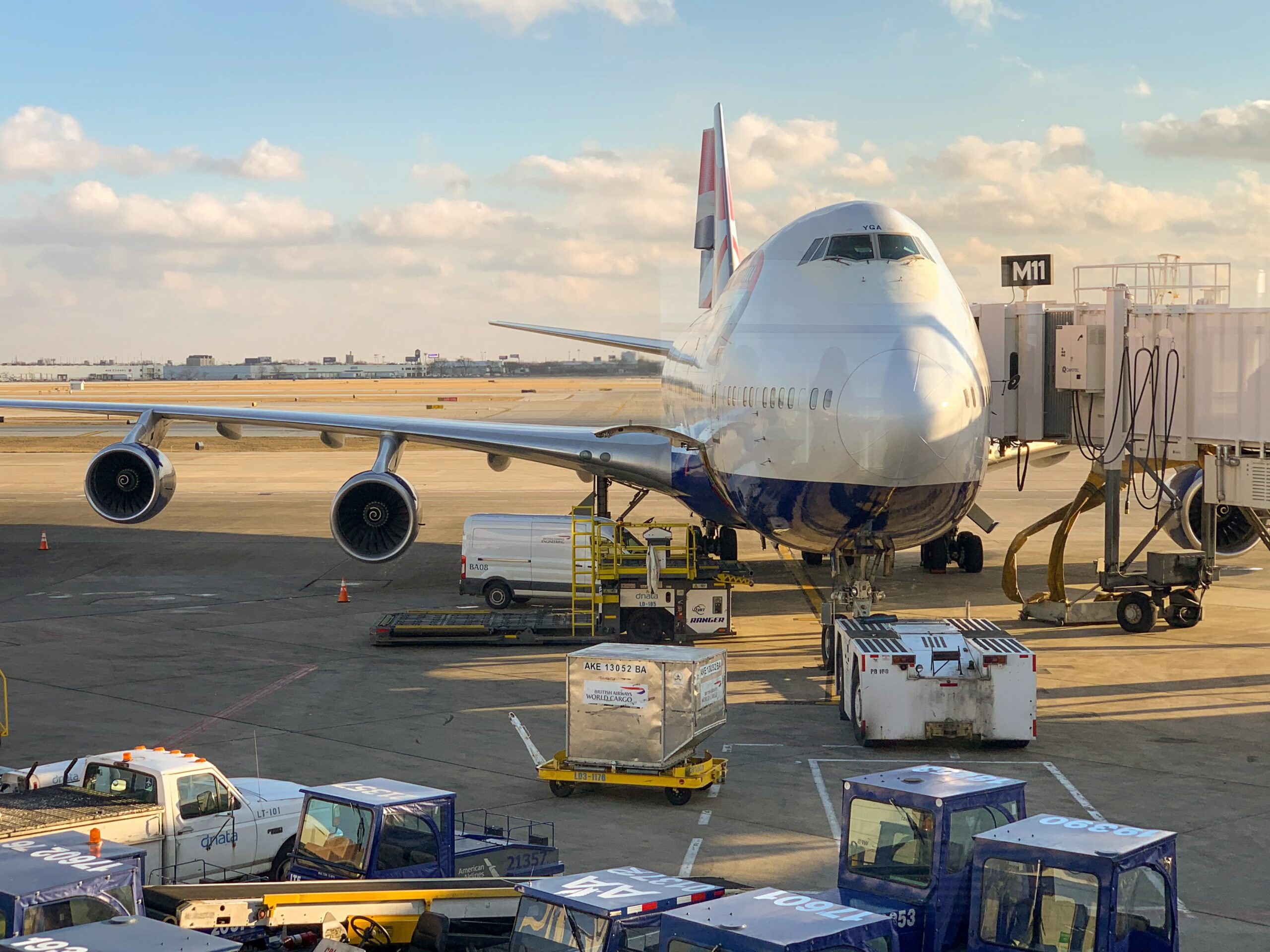
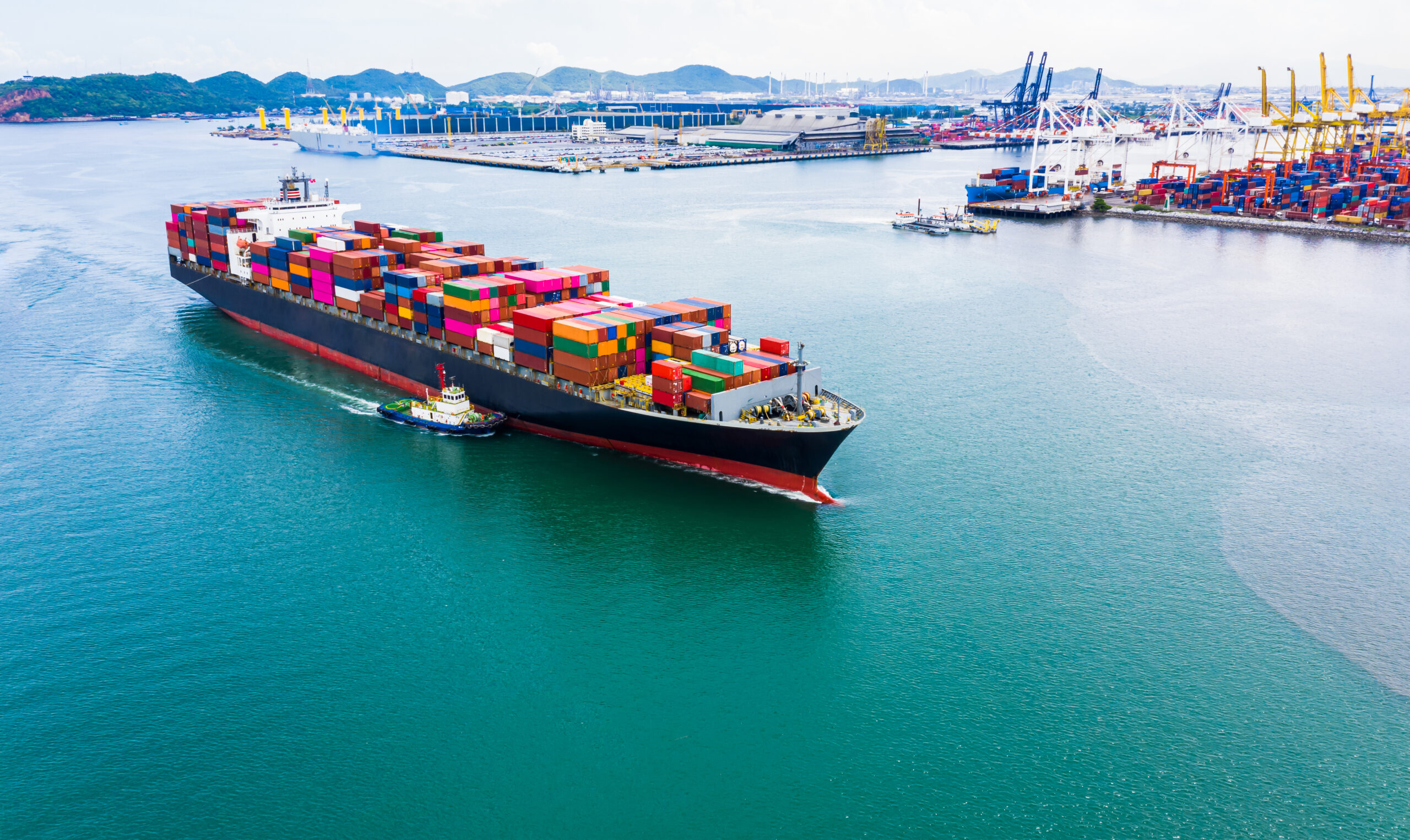
Ocean freight rates in 2026 have returned to pre pandemic levels on most trade lanes, with the exception of lanes affected by carrier capacity management and geopolitical disruptions.
Key dynamics:
- Carrier profitability pressure. After recording record profits in 2021 and 2022, carriers are managing capacity aggressively through blank sailings and alliance restructuring to prevent rate collapse.
- Alliance changes. The reshuffling of carrier alliances (including the dissolution of 2M and formation of new partnerships) affects capacity allocation and service networks.
- New vessel deliveries. Record orders for new container vessels placed during the pandemic are entering service, adding capacity that puts downward pressure on rates.
Air Freight
Air freight rates remain elevated relative to pre pandemic levels, supported by:
- Ecommerce demand. Cross border ecommerce continues to drive air cargo volumes, particularly for time definite shipments.
- Belly capacity recovery. Passenger airline capacity has largely recovered, restoring belly cargo capacity, but demand has also increased.
- SAF costs. Sustainable aviation fuel mandates in some markets are adding to operating costs.
Trucking
US trucking rates are in a modestly recovering market after the overcapacity that characterized 2023 and 2024. Carrier exits and reduced new truck orders are gradually tightening capacity.
What Freight Forwarders Should Do in 2026
1. Invest in technology infrastructure. If you are not on a cloud based freight management system, 2026 is the year to make the move. The technology adoption gap between digital forward forwarders and those running legacy systems is widening into a competitive chasm.
2. Build sustainability capabilities. Implement carbon calculation and reporting. Even if your current customers do not require it, they will. Being ready before the demand hits gives you a competitive advantage.
3. Develop emerging trade lane expertise. Follow the manufacturing shifts. If your customers are diversifying sourcing to Vietnam or Mexico, build the carrier relationships and operational knowledge to serve those lanes before your competitors do.
4. Focus on customer retention. In a normalized rate environment, customer churn increases as the switching costs feel lower. Invest in quarterly business reviews, proactive communication, and value added services that make your customers sticky.
5. Pursue displaced enterprise volume. The DSV Schenker integration will displace customers who feel deprioritized during the transition. Position yourself as a stable, service focused alternative.
Frequently Asked Questions
Is the freight forwarding industry growing or shrinking?
The global freight forwarding industry is growing. The market is projected to grow from approximately $200 billion in 2024 to over $280 billion by 2030. However, growth is not evenly distributed. Digital forward forwarders and those with strong positions in growing trade lanes (Southeast Asia, India, Mexico) are growing faster than the market. Forwarders who have not invested in technology or who are concentrated on declining trade lanes may experience flat or declining revenues. The industry is also consolidating, meaning fewer, larger companies are capturing a growing share of the total market.
How will AI change freight forwarding?
AI will automate the repetitive, data intensive tasks that consume most of a freight forwarder’s operational time: document processing, data entry, rate comparison, schedule tracking, and routine customer inquiries. This does not eliminate the need for human freight forwarders. It shifts the human role from operational execution to relationship management, complex problem solving, and strategic advising. Forwarders who adopt AI will handle more shipments with the same or fewer staff, improving margins and scaling capacity without proportional headcount growth.
What will happen to freight rates in 2026?
Ocean freight rates are expected to remain at or near pre pandemic levels for most of 2026, with potential spikes during traditional peak season (August through October) and in response to any significant supply chain disruptions. Air freight rates will remain moderately elevated relative to historical norms due to ecommerce demand and SAF cost pressures. Trucking rates in the US are expected to recover modestly as excess capacity exits the market. The overall trend is toward normalized, competitive pricing where forwarders compete on service, technology, and expertise rather than riding rate inflation.
Should small forwarders worry about industry consolidation?
Not necessarily. While consolidation creates larger competitors at the top, it also creates opportunity. Large merged entities often experience integration challenges, customer service disruptions, and cultural friction that drive customers to seek alternatives. The 65% of the market not controlled by the top 10 forwarders is served by thousands of small and mid size forwarders who compete on specialization, service quality, and relationship depth. The key is differentiation. Small forwarders who are clearly the best option for specific trade lanes, cargo types, or customer segments will continue to thrive regardless of what happens at the top.