How Global Gateway Doubled Down on High-Touch Service  Without Doubling Headcount

A St. Louis–headquartered NVOCC and freight forwarder serving hospitality, aerospace, and industrial manufacturing replaced a fragmented, manual tech stack with GoFreight and built the visibility, customized client reporting, and operational leverage required to win larger, more complex projects without inflating its operations team.

Company Overview

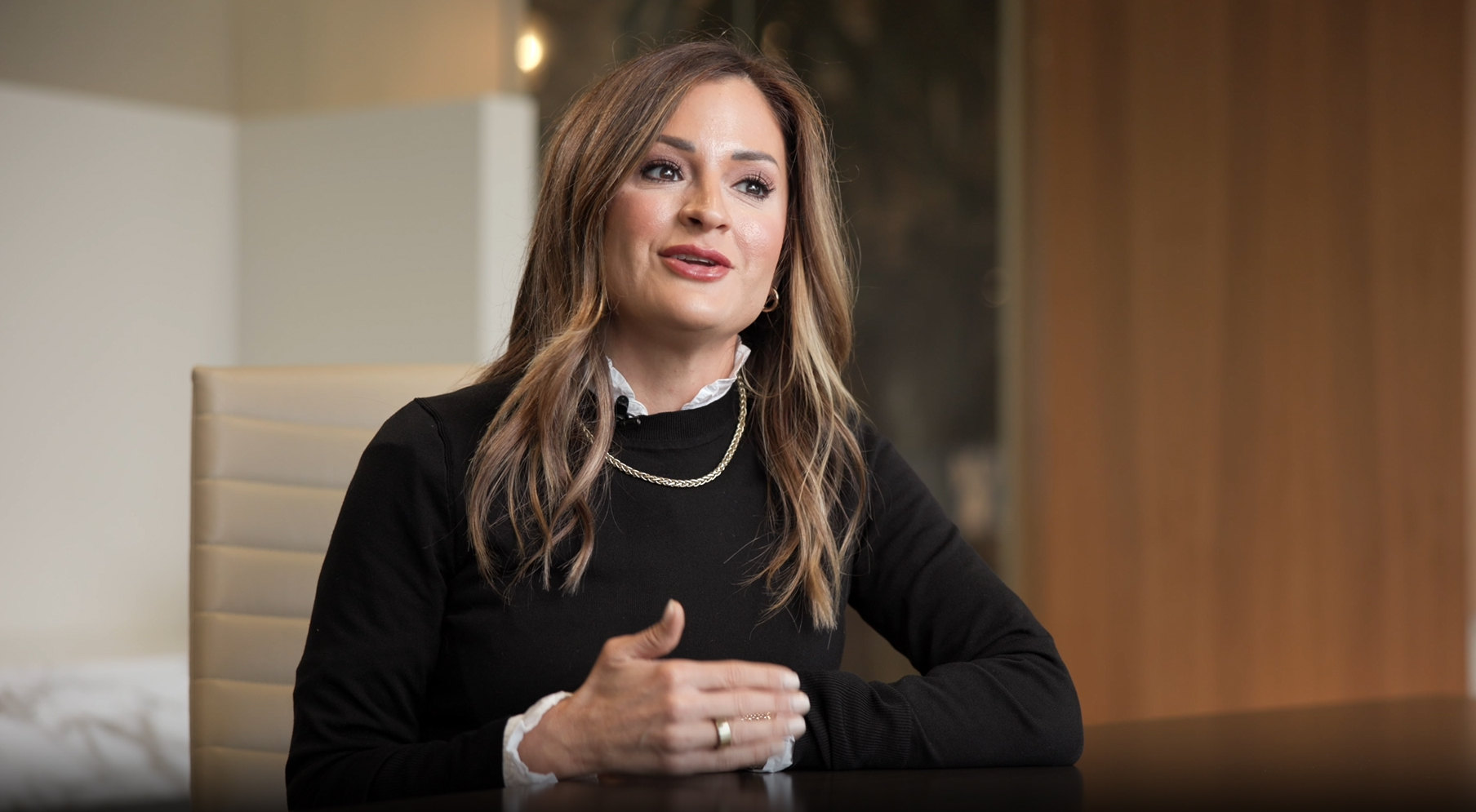
Global Gateway Logistics is a licensed NVOCC and freight forwarder headquartered in St. Louis with offices around the world. Led by Founder and CEO Caitlin Murphy, the company differentiates on a dedicated account team model, a transparent customer portal, and deep vertical expertise in hospitality, aerospace, and industrial manufacturing verticals, where a single project can span hundreds of containers, multiple vendors, and 12-month warehouse terms.

That positioning works only if the operations engine behind it can scale. By 2024, it couldn't.

The Challenge: A High-Touch Service Model Capped by Manual Systems

Global Gateway's service promise was outpacing the systems supporting it.

  • Fragmented workflows and duplicate data entry. The operations team was rekeying data across three or four places to move one shipment from booking to invoice. As Senior Operations team member Lauren Dang put it, "the data wasn't carried over, so in the same shipment you have to enter some data again two or three times."
  • No real-time customer visibility. Customers were emailing the team for status updates the company felt should have been pushed to them proactively. There was no clean way to deliver the project-level reporting that hospitality and aerospace clients expected.
  • Manual tracking workflows. Each morning, ops team members logged into multiple carrier, shipping line, and terminal websites to refresh shipment status, then emailed customers individually. Both Lauren and Senior Operations team member Rowena Arcilla Lujero described it the same way, which is a daily, ship-by-ship, site-by-site process.
  • Training and onboarding bottlenecks. Prior systems were so complex that Global Gateway had to bring in an external party just to train its own team, and this is a constraint on hiring velocity and a hidden tax on every new project.
  • A scaling problem, not just a tooling problem. Every time the company won a larger account, the manual workload grew faster than the revenue. In Caitlin Murphy's words: "That's the opposite of scale."

The forcing function arrived when Global Gateway began bidding on larger hospitality FF&E projects. Those are multi-vendor, hundreds of containers, 12-month warehouse terms. The existing setup couldn't deliver the project-level visibility those clients required. The decision became binary: cap growth at current systems, or invest in a platform built for the service model the company wanted to scale.

Why They Chose GoFreight

Global Gateway evaluated platforms against three priorities, in order: customer-facing visibility, real reduction in manual work, and the quality of the team behind the software.

  • Built by people who understand freight forwarding. "The product was clearly built by people who understand freight forwarding, not generalists who built a logistics module on top of a CRM," Murphy said. Workflows matched how the team actually operated.
  • A customer portal worth putting in front of clients. The portal wasn't a nice-to-have, but it was the product. Hospitality and aerospace clients are managing multi-million-dollar projects and need supply chain visibility on demand. GoFreight let Global Gateway build ad-hoc, customized reports per client, delivering the data each one cared about most.
  • A modern, cloud-based platform. Centralizing tracking, documentation, costing, and communication in one system replaced the daily login-juggling across carrier and terminal websites.
  • A migration that respected the operation. "Migration is where most software relationships either prove themselves or fall apart," Murphy said. GoFreight's onboarding team mapped Global Gateway's workflows before configuring anything, meaning the software flexed to fit the operation, not the other way around. A migration the company had budgeted twelve months for completed in a few.
  • A team that stays. The same customer success team in the sales conversations was the team Global Gateway was still working with at year two, which is a contrast Murphy explicitly drew with prior vendors who "were great in the sales cycle and silent after the contract was signed."

post-img-1

The Transformation

1. Operational Efficiency

The most immediate impact was the elimination of duplicate work and the consolidation of fragmented tracking flows into a single source of truth.

  • Centralized container and shipment management. The My Container list became, in Lauren's words, "a centralized, real-time data that allows all team members to be able to see and monitor current status for each container without checking every time everyday for every shipment." A workflow that previously demanded daily, per-shipment manual refreshes became continuous and shared.
  • One system instead of many. "Instead of going to different shipping line and terminal websites, I can track it directly in GoFreight," Rowena said. The hours previously spent jumping between carrier sites collapsed into a single workflow.
  • Faster execution on core tasks. Pulling shipment reports, creating quotations, and managing delivery, three of the most frequent ops tasks, are now meaningfully faster.
  • Less rekeying, more exception management. With data flowing through the platform rather than being re-entered at every step, the team's hours shifted from data entry to the exception management and client communication where they create the most value.
  • Streamlined operational handoffs. Built-in tools like color remarks and the Action Center create clean handoffs within ops, reducing the missed-detail risk that comes with high-volume, compliance-sensitive freight.

Container Lifecycle Management

2. Customer Experience & Visibility

Visibility moved from reactive to proactive, and from a tracking number to true project-level reporting.

  • EDI-powered, on-demand updates. "It has definitely became easier to update the customer because of the EDI data, and also most of the information we need can be viewed easily in the system," Rowena said.
  • A client portal customers actively engage with. Customers use the portal for weekly shipment reporting, daily shipment tracking, documentation management, and cost control. Reporting is configured to each client's workflow, so the data they see is the data that matters to their business.
  • Automated, customized client reports. Global Gateway sends automated, customized reports daily and weekly to every client. The reports replace ad-hoc email requests and create a defensible service moat: once a client is using the portal and receiving tailored reporting, the cost of switching providers compounds.
  • From email-driven status to pushed transparency. What used to be a queue of customer "where is my shipment?" emails is now data the client can self-serve, freeing the ops team to focus on the exceptions that actually require a human.

3. Scalability & Team Enablement

GoFreight removed the constraints that previously made hiring and onboarding a drag on growth.

  • Onboarding measured in days, not engagements. Where previous systems required an outside trainer, GoFreight's usability flipped that dynamic. "My training went by very quickly because the system is much more user-friendly compared to the ones I used before," Rowena said. "With those previous systems, we even had to hire an external party just to train the team, but with GoFreight, anyone can easily train other team members."
  • A platform that compounds in value. "Two years in, we're using features today I didn't even know existed at go-live," Murphy said. The dedicated Customer Success Manager proactively introduces new releases and walks the team through how other forwarders are using them, turning the platform from a static implementation into a continuously expanding capability set.
  • AI built around real customer pain. When Global Gateway raised concerns about manual document-to-shipment data entry, GoFreight delivered an AI feature that pulls shipment data from documents and converts it automatically into shipment details, a direct example of the partnership translating into a product.
  • Cross-team coordination. Migration involved ops, finance, and customer service together, and the resulting workflows reflect that, supporting handoffs across the full quote-to-cash lifecycle rather than optimizing one team at the expense of another.

Leadership Perspective

The strategic insight Murphy returns to is that, in freight forwarding, scale is a function of leverage, not headcount. A high-touch service model is a liability on legacy systems and an unfair advantage on a modern one.

Three pieces of her thinking matter most for forwarders evaluating a platform change:

1. Service quality and scalability are not a trade-off if the platform is right.

"I realized we were either going to cap our growth at our current systems, or we were going to invest in a platform that let us scale the service, not just the headcount." On GoFreight, Global Gateway is "handling significantly more shipment volume without proportionally adding headcount, because the manual work is gone."

2. Customer-facing visibility is a competitive weapon.

"We're winning bigger accounts because the visibility we offer is part of the pitch, and because once a client is using the portal and getting custom reporting, the switching cost for them goes up. That's compounding value."

3. The vendor relationship is the product, over a long enough horizon.

"It feels like an extension of my own team… When I have an idea about how we could use the platform differently, I don't just open a support ticket; I connect with our Customer Success Manager. That's the difference between a vendor and a partner."

Murphy's framing of the Quarterly Business Review is telling: not a status meeting, but a strategic input. "They're one of the most useful meetings on my calendar. The Quarterly Business Reviews are also where I get visibility into the product roadmap, which directly informs how I plan our growth."

Looking forward, the AI roadmap is what she points to. "Our industry generates enormous amounts of data, POs, milestones, costs, exceptions, and most forwarders barely scratch the surface of what that data can tell them. The direction GoFreight is heading on AI and intelligence layers is going to let us deliver insights to clients that our competitors can't."

Key Outcomes

  • Higher shipment volume without proportional headcount growth, with manual data entry largely eliminated across the booking-to-invoice workflow.
  • A migration completed in months, not the year originally budgeted, because GoFreight mapped existing workflows before configuring the system.
  • Daily and weekly automated, customized reports delivered to every client, replacing ad-hoc status emails with proactive transparency.
  • Centralized tracking that eliminated daily log-ins across multiple carrier, shipping line, and terminal websites.
  • Onboarding without external trainers. New ops hires are trained internally and ramp quickly, removing a long-standing constraint on team growth.
  • Bigger, more complex accounts won, including multi-vendor hospitality FF&E projects with hundreds of containers and 12-month warehouse terms because customer-facing visibility is now part of the pitch.
  • A customer success partnership that proactively surfaces new product capabilities, resulting in expanded platform use two years in.
  • A direct product partnership. Customer-raised pain on manual document entry resulted in a GoFreight-built AI feature that auto-converts document data into shipment details.
Ready to Drive These Results?

 Join the industry leaders using GoFreight to automate workflows, scale volume, and eliminate manual data entry. 

See it in Action